
Furnace Installation & Replacement
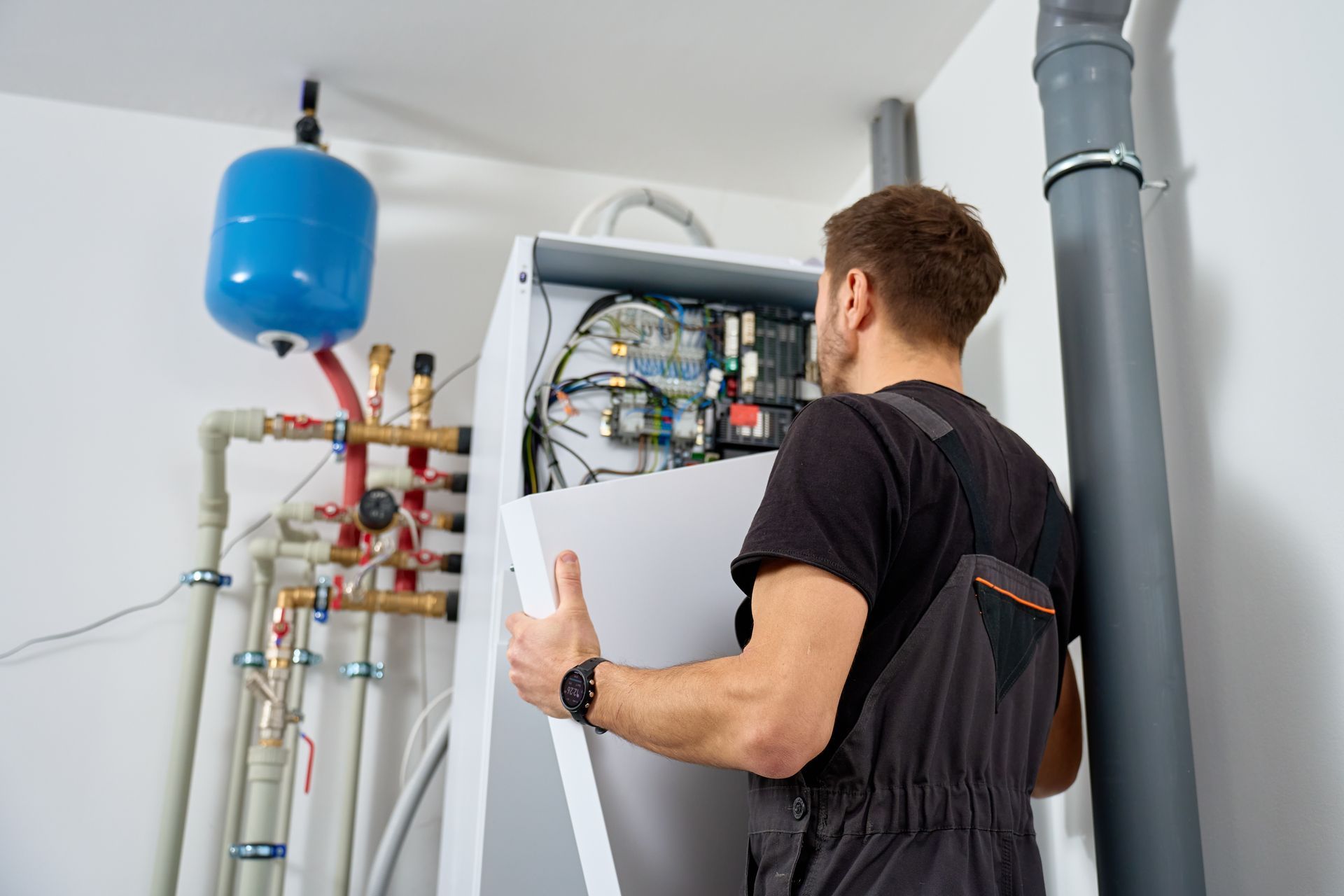
Why Choose Us for Your Furnace Installation & Replacement?
48 Google Reviews
Tailored Heating Solutions
We assess your home’s layout, insulation, and Heating needs to recommend the most efficient system for your space.
Upfront, Honest Pricing
We provide transparent quotes with no hidden fees. You'll know exactly what you're paying for before any work begins.
Certified Technicians
Our licensed installers have years of experience and undergo regular training to ensure safe, code-compliant, and manufacturer-approved installations.
Timely & Clean Installations
We respect your time and property. Our team arrives on schedule, works efficiently, and leaves your space spotless once the job is done.
How It Works
Installation is just the beginning — we're here for maintenance, questions, and future upgrades. Your comfort is our long-term commitment.
Schedule a Consultation
We’ll evaluate your space, discuss your cooling needs, and recommend the best unit for your home and budget.

Get a Transparent Quote
After the assessment, we’ll provide a clear quote that includes all installation costs, with no hidden fees.

Professional Installation
Our technicians will arrive on time and complete the job with attention to detail. We test everything and leave your space clean.
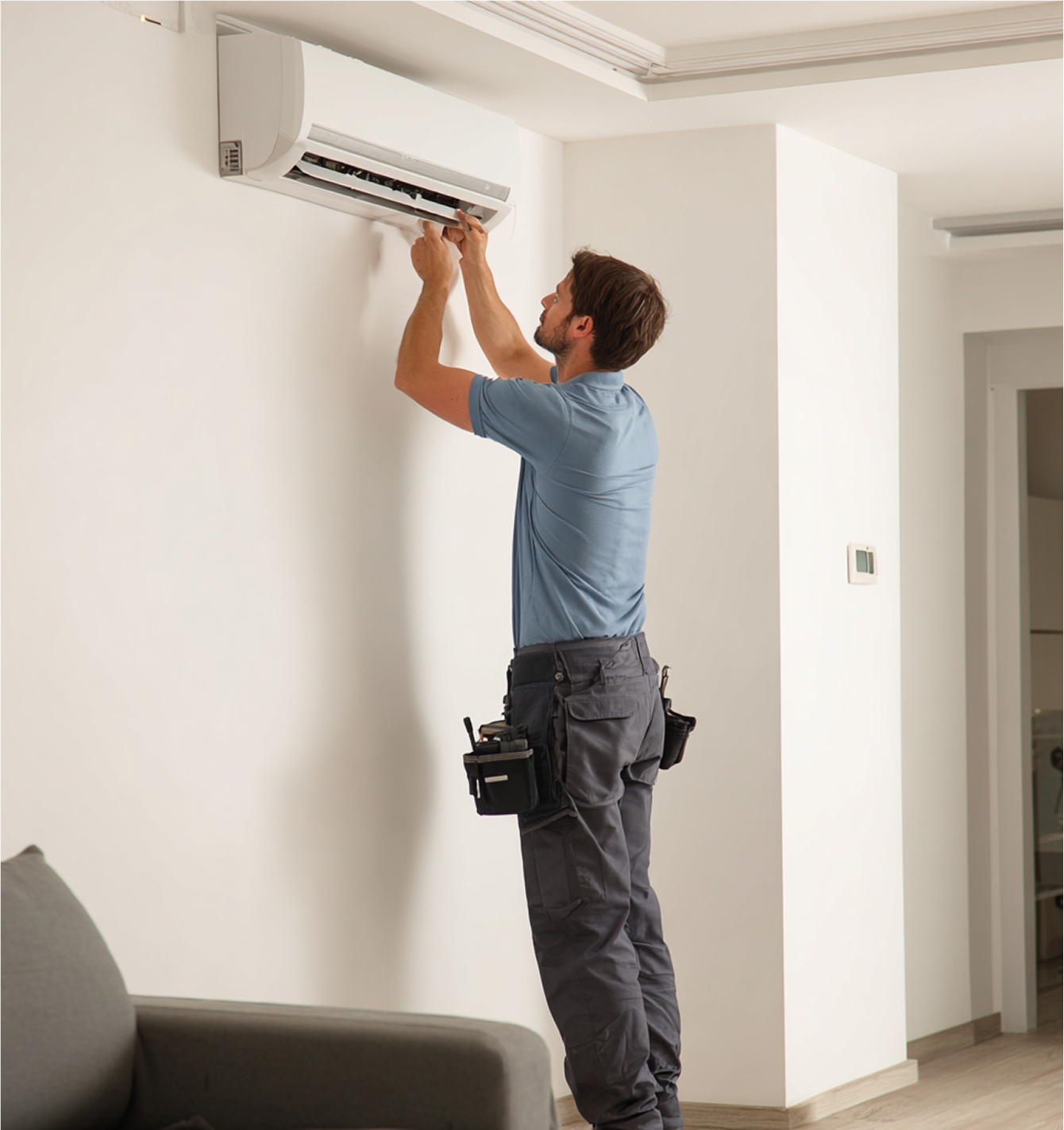
Post-Installation Support
We walk you through how to use your new system and remain available for follow-up questions, maintenance, or future support.

Everything You Need to Know
Furnace Installation and Replacement in Illinois
Furnace installation and furnace replacement in Illinois are not optional luxuries—they are necessities. Winters across the state are long, cold, and unforgiving. When your heating system fails in January, you are not just uncomfortable—you are at risk of frozen pipes, structural damage, and unsafe indoor temperatures. Whether you live in northern Illinois near Chicago or in central and southern regions, having a properly sized, professionally installed furnace is critical.
This guide explains everything homeowners need to know about furnace installation and replacement in Illinois, including costs, efficiency ratings, system types, code requirements, and the long-term benefits of upgrading.
Why Furnace Replacement in Illinois Is Often Necessary
Illinois weather is harsh on HVAC systems. Subzero wind chills, heavy snow, and extended heating seasons mean your furnace works harder here than in many other states. Most furnaces last between 15–20 years, but in Illinois, systems often show performance decline closer to the 15-year mark.
Common Signs You Need Furnace Replacement
- Rising heating bills despite similar usage
- Uneven heating throughout the home
- Frequent service calls and repair costs
- Loud banging, rattling, or ignition issues
- Furnace over 15 years old
- Yellow pilot flame instead of blue
- Excessive dust or dry indoor air
Continuing to repair an aging furnace becomes financially inefficient. If repairs exceed 30–40% of replacement cost, full furnace replacement in Illinois is typically the smarter long-term decision.
Types of Furnaces Installed in Illinois Homes
Choosing the right heating system depends on home size, insulation levels, fuel availability, and budget. The most common furnace types in Illinois include:
1. Gas Furnace Installation
Gas furnaces are the most popular heating systems in Illinois due to:
- Lower operating costs compared to electric
- Strong heating output for cold climates
- High efficiency options (90%–98% AFUE)
Natural gas furnace installation is ideal for homes connected to municipal gas lines.
2. Electric Furnace Installation
Electric furnaces:
- Lower upfront installation cost
- No combustion risk
- Simple installation
However, electricity rates in Illinois make electric furnaces more expensive to operate long-term compared to high-efficiency gas furnaces.
3. High-Efficiency Condensing Furnaces
Modern high-efficiency furnaces (90%+ AFUE) use sealed combustion and PVC venting. These systems:
- Reduce heating bills significantly
- Provide more consistent indoor temperatures
- Qualify for energy rebates in Illinois
What AFUE Means for Illinois Homeowners
AFUE (Annual Fuel Utilization Efficiency) measures furnace efficiency. Illinois building codes typically require at least 80% AFUE, but most homeowners opt for 90–98% efficiency systems.
Example:
- 80% AFUE furnace wastes 20 cents of every dollar on heat loss.
- 96% AFUE furnace wastes only 4 cents.
Over long Illinois winters, that efficiency difference can translate into hundreds of dollars per year in savings.
Furnace Installation Process in Illinois
Professional furnace installation is not a DIY project. Improper installation leads to inefficiency, safety hazards, and shortened system life.
Step 1: Load Calculation (Manual J)
Reputable HVAC contractors perform a heat load calculation to determine proper furnace size. Oversized systems short-cycle. Undersized systems cannot keep up in extreme cold.
Step 2: Removal of Old Furnace
Old systems are safely disconnected, gas lines capped, and venting removed per Illinois mechanical code.
Step 3: New Furnace Installation
- Gas line connection
- Electrical hookup
- Thermostat wiring
- Vent pipe installation
- Condensate drain setup (for high-efficiency systems)
- Ductwork adaptation if required
Step 4: System Testing and Inspection
The system is tested for:
- Gas leaks
- Proper combustion
- Carbon monoxide safety
- Airflow balance
Permits and inspections may be required depending on municipality.
Average Furnace Replacement Cost in Illinois
Furnace installation cost varies by system size, efficiency rating, and ductwork modifications.
Typical Price Range:
- Standard 80% gas furnace: $3,500 – $5,500
- High-efficiency 90–98% furnace: $5,000 – $8,500
- Electric furnace installation: $2,500 – $5,000
Factors affecting cost:
- Home square footage
- Accessibility of existing furnace
- Chimney liner requirements
- Thermostat upgrades
- Permit and inspection fees
Financing options are commonly available through HVAC contractors.
Illinois Code Requirements and Permits
Many Illinois municipalities require permits for furnace replacement. Code compliance ensures:
- Proper venting
- Adequate combustion air
- Correct gas line sizing
- Safe electrical connections
Failure to pull permits can cause issues during home sales and insurance claims.
Benefits of Professional Furnace Installation
Drawbacks of Delaying Replacement
- Higher monthly heating bills
- Increased repair costs
- Safety risks (carbon monoxide leaks)
- Reduced home value
- Emergency breakdown during winter
Benefits of Installing a New Furnace
- Lower energy costs
- Improved indoor comfort
- Quieter operation
- Better air quality
- Increased home resale value
- Manufacturer warranties (often 10+ years on parts)
Energy Rebates and Incentives in Illinois
Illinois homeowners may qualify for:
- Utility rebates for high-efficiency furnace installation
- Federal tax credits for energy-efficient HVAC upgrades
- Local incentive programs
High-efficiency systems often reduce heating bills enough to offset higher upfront costs over time.
Choosing the Right HVAC Contractor in Illinois
When selecting a furnace installation company, verify:
- Licensed and insured in Illinois
- NATE-certified technicians
- Strong local reviews
- Transparent pricing
- Written warranty documentation
Avoid contractors who:
- Offer extremely low bids
- Refuse to pull permits
- Cannot provide load calculations
- Pressure you into same-day decisions
Quality installation matters more than brand alone.
Furnace Brands Commonly Installed in Illinois
Reputable heating and cooling contractors install brands such as:
- Carrier
- Trane
- Lennox
- Rheem
- Goodman
Each brand offers entry-level, mid-tier, and high-efficiency models suitable for Illinois climates.
When to Repair vs. Replace a Furnace
Repair Makes Sense If:
- Unit is under 10 years old
- Repair cost is minor
- System has good maintenance history
Replacement Makes Sense If:
- Heat exchanger is cracked
- Major components fail
- System is 15+ years old
- Frequent breakdowns occur
A cracked heat exchanger is especially serious—it can leak carbon monoxide and requires immediate replacement.
Importance of Annual Furnace Maintenance
After installation, annual furnace maintenance is critical in Illinois.
Maintenance includes:
- Cleaning burners
- Checking ignition system
- Inspecting heat exchanger
- Replacing air filters
- Testing safety controls
Routine maintenance extends lifespan and maintains efficiency.
Indoor Air Quality and Furnace Upgrades
Modern furnace installation often includes options like:
- Whole-home humidifiers
- Air purification systems
- Smart thermostats
- Zoning systems
Illinois winters dry out indoor air. Adding humidity control improves comfort and reduces static, dry skin, and respiratory irritation.
Smart Thermostats and Energy Savings
Installing a programmable or smart thermostat alongside your new furnace allows:
- Remote temperature control
- Automated scheduling
- Reduced energy waste
- Utility tracking
These upgrades are low-cost compared to total system installation and provide measurable energy savings.
Emergency Furnace Replacement in Illinois
When furnaces fail during extreme cold, emergency installation services are often required. Reliable HVAC companies offer 24/7 emergency heating repair and replacement.
During polar vortex conditions, delayed service can mean frozen plumbing and major property damage. Prompt furnace replacement prevents costly secondary issues.
Commercial Furnace Installation in Illinois
Businesses also rely on professional heating installation to:
- Protect inventory
- Maintain employee comfort
- Meet building codes
- Avoid operational shutdowns
Commercial systems require larger capacity units and more complex ductwork design.
Long-Term ROI of Furnace Replacement
Although furnace installation costs can appear high, long-term savings are significant:
- Reduced monthly heating bills
- Fewer repair expenses
- Improved efficiency
- Higher home appraisal value
- Energy rebate eligibility
In Illinois, where heating seasons run five to six months annually, efficiency matters.
Areas We Serve
We Offer Furnace Installation & Replacement Services to the following cities in the Chicagoland Area:
Furnace Installation & Replacement in Addison
Furnace Installation & Replacement in Bensenville
Furnace Installation & Replacement in Buffalo Grove
Furnace Installation & Replacement in Des Plaines
Furnace Installation & Replacement in Elk Grove Village
Furnace Installation & Replacement in Franklin Park
Furnace Installation & Replacement in Glenview
Furnace Installation & Replacement in Itasca
Furnace Installation & Replacement in Morton Grove
Furnace Installation & Replacement in Mount Prospect
Furnace Installation & Replacement in Niles
Furnace Installation & Replacement in Northbrook
Furnace Installation & Replacement in Northside Chicago
Furnace Installation & Replacement in Palatine
Furnace Installation & Replacement in Park Ridge
Furnace Installation & Replacement in Prospect Heights
Furnace Installation & Replacement in Rolling Meadows
Furnace Installation & Replacement in Rosemont
Furnace Installation & Replacement in Schaumburg
Furnace Installation & Replacement in Skokie
Furnace Installation & Replacement in Wheeling
Furnace Installation & Replacement in Wilmette